Simple Foot Exercises

Your feet are composed of 26 bones, 30 joints, and over 100 muscles, tendons, and ligaments. Your feet support the weight of your entire body and carry you through your daily activities. Exercising the feet can be highly beneficial to maintain their overall health. There are a variety of simple foot exercises that focus on building strength, flexibility, and mobility in the feet. One simple strength-building exercise is a toe curl. Spread a towel out on the floor in front of you and use only your toes to scrunch it up. This exercise builds up the flexor muscles in the feet. Stretch your toes by manually moving the big toe up, down, and to the side while you sit on a chair. For more information about the many benefits of foot exercises, please consult with a chiropodist. 

Stretching and strengthening your feet is very important for maintaining your foot health. If you would like to learn more about exercises for your feet, please consult with one of the specialists from Thornhill Foot Clinic. Our chiropodists can help you maintain the health of your lower limbs and your mobility. 

There are a variety of relatively easy-to-do exercises that can boost the strength, flexibility, and mobility of your feet, as well as relieve foot pain.  

Strength exercises: 

  • Toe splay - Spread the toes apart and hold for several seconds; improves control over toe muscles
  • Toe curls - Scrunch up a towel with your toes; strengthens the flexor muscles
  • Marble pickup - Pick up marbles with your toes; strengthens the muscles on the undersides of the feet and toes
  • Walking on sand - Stretches and strengthens feet and calves

Flexibility exercises: 

  • Heel raises - Raise the heels while keeping toes on the ground
  • Toe point - Raise the heels while pointing the toes, keeping just the tips of toes on the ground
  • Toe curl - Raise the heels while curling the toes inwards, keeping just the tips of toes on the ground
  • Big toe stretch - Use your hands to gently stretch your big toes up, down, and to the side

Exercises for foot pain: 

  • Toe extension - Gently pull the toes up towards the ankle and hold for several seconds
  • Ball roll - gently roll a golf or tennis ball underneath the arches of the feet 

If you have any questions please feel free to contact our office located in Vaughan, ON

Read more about Exercise and the Feet

What Are Heel Spurs?

Heel spurs are bony growths made from calcium deposits under the heel bone or at the back of the heel. They are frequently associated with plantar fasciitis, an inflammation of the ligament that runs along the bottom of the foot. On their own, heel spurs typically don’t cause any symptoms. They are usually found incidentally during an X-ray done for other purposes. When heel spurs are symptomatic, they cause heel pain, particularly while walking or running and when taking the first few steps in the morning or after resting for a period of time. Heel spurs that cause pain respond well to conservative treatments like resting and icing the foot and wearing more comfortable shoes. For more information about heel spurs, please consult with a chiropodist.

Heel spurs are bony outgrowths from calcium deposits. They occur at the back of the heel bone or underneath the heel bone and usually form in response to chronic irritation of the Achilles tendon or plantar fascia. They are often asymptomatic, but if you are suffering from heel pain, please consult with one of the specialists from Thornhill Foot Clinic. Our chiropodists can help you maintain the health of your lower limbs and your mobility. 

Symptoms of Heel Spurs

  • Tenderness
  • Heel pain
  • Pain when walking
  • No symptoms

Diagnosis

Since heel spurs are often asymptomatic, they are usually only diagnosed when they are found on the heels incidentally during an X-ray taken for another reason. Nevertheless, if you have heel pain, and particularly if you have plantar fasciitis or Achilles tendonitis, it may be worth it to see if you have heel spurs too. 

Treatment

Unless they are causing symptoms, heel spurs typically don’t require any treatment. When they are symptomatic, treatments are typically conservative. They may include resting and icing the affected foot, taking anti-inflammatory medications, and wearing orthotics or supportive footwear, especially while exercising. 

If you have any questions please feel free to contact our office located in Vaughan, ON

Read more about Heel Spurs

Your Feet Can Say a Lot About Your Health

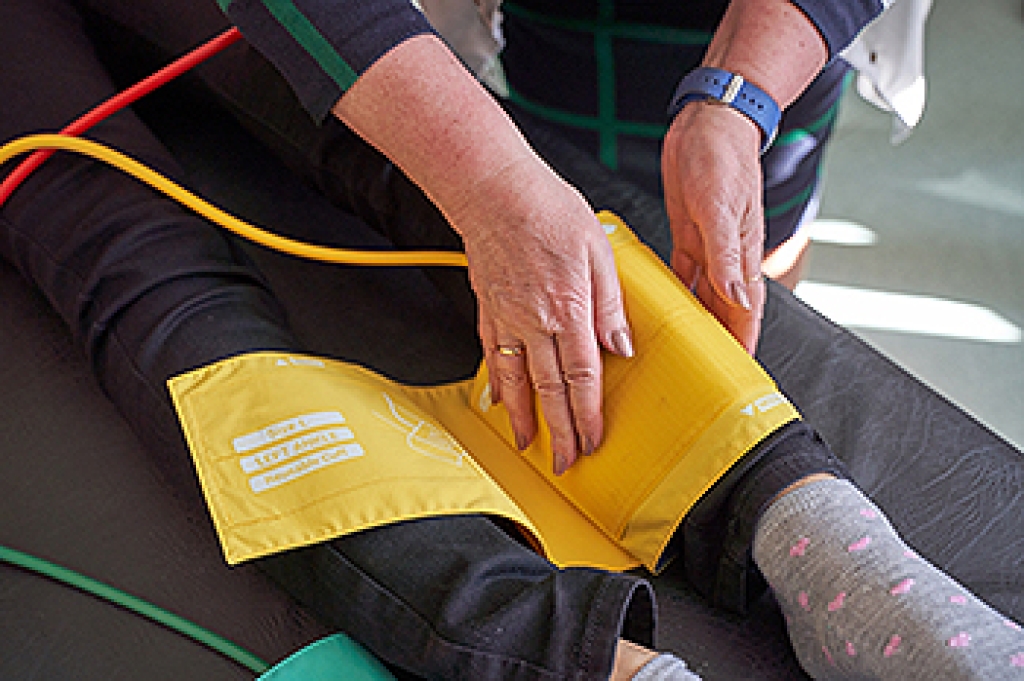
Your feet support your entire body and carry you through your daily life, so perhaps it should come as no surprise that signs of problems elsewhere in the body can be seen in the feet. For example, a loss of hair on the feet and legs may indicate peripheral artery disease (PAD), a condition characterized by poor circulation in the lower limbs. Another potential sign of PAD, as well as diabetes, are poorly-healing wounds on the feet. Various types of arthritis also tend to make themselves known via foot problems. Stiff and sore foot and ankle joints could be a sign of rheumatoid arthritis (RA), while an enlarged big toe may indicate gout, and pitted toenails are often associated with psoriatic arthritis. It’s important to monitor the health of your feet, and your chiropodist can help. If you have any questions or concerns about your foot health, don’t hesitate to schedule an appointment with a chiropodist near you. 

Systemic diseases are medical problems that affect the entire body. Many systemic diseases can bring about foot and ankle problems. If you have a systemic disease that affects your lower limbs, please consult with one of the specialists from Thornhill Foot Clinic. Our chiropodists can help you maintain the health of your lower limbs and your mobility. 

Which systemic diseases can affect the feet?

  • Peripheral artery disease - Causes inadequate blood flow to the lower limbs
  • Peripheral neuropathy - Nerve damage in the nerves that supply the feet and ankles
  • Diabetes - Can cause nerve damage, poor circulation, and a weakened immune system that can lead to the formation of poorly healing wounds on the feet
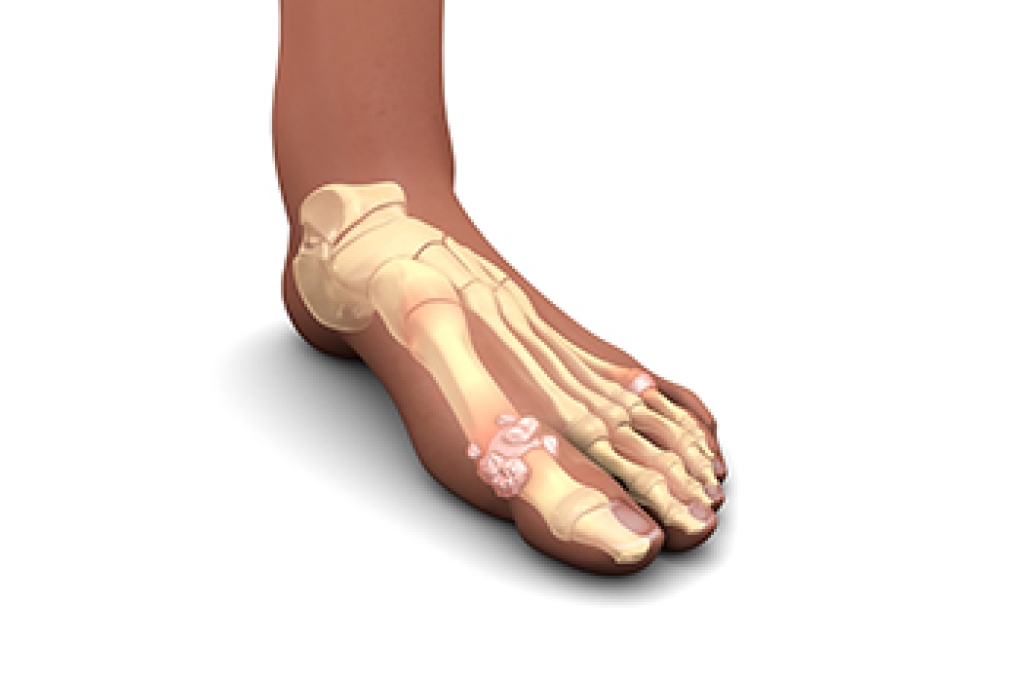
  • Arthritis - A disease of the joints that damages joint lining, it often affects the small joints of the feet and the ankle joints
  • Gout - A build up of uric acid in the bloodstream that forms crystals that can lodge in the joints

How can a chiropodist help? 

Chiropodists help people who have systemic disease manage and maintain their foot health in a variety of ways. They can diagnose a multitude of foot and ankle problems, screen for certain systemic conditions, teach patients about proper foot care, and provide information about preventive strategies that patients could employ to avoid complications from their systemic diseases. Chiropodists can also treat foot and ankle problems through medications, foot and ankle exercises, orthotics, and lifestyle recommendations, among many other potential treatments

If you are living with a systemic illness that impacts your foot health, please feel free to contact our office located in Vaughan, ON

Read more about Systemic Diseases of the Feet

Laser Treatment for Toenail Fungus

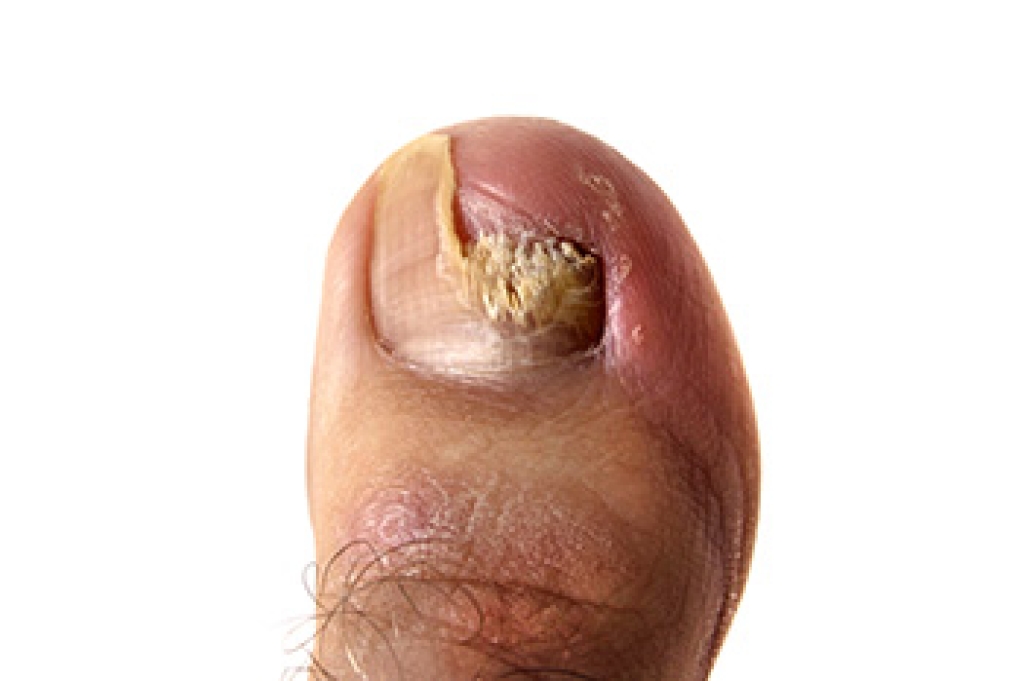
A fungal infection of the toenails, also known as onychomycosis, can be difficult to treat. Topical medications are often not very effective because they do not penetrate the nail, while oral antifungal medications can have potentially harmful side effects. Another popular treatment option is laser therapy. This treatment uses a concentrated beam of light aimed at the infected toenails to kill the fungi underneath. Laser treatment has been found to be safe and effective, with minimal side effects. Furthermore, laser treatment can be safely combined with other treatment methods to yield even better results. If you have toenail fungus, don’t hesitate to reach out to a chiropodist who can discuss available treatment options with you. 

Onychomycosis, also known as a fungal toenail infection, is not only a cosmetic concern but can also impact the health of your feet and your quality of life.  If you have toenail fungus, please consult with one of the specialists from Thornhill Foot Clinic. Our chiropodists can help you maintain the health of your lower limbs and your mobility. 

Toenail fungus causes changes in the appearance of the nails. As the fungus spreads, the infected toenails can become thickened, brittle, crumbly, and discolored. Over time, the infection can worsen, making the toenails misshapen. They may begin to separate from the nailbed and can emit a foul odor. In addition to being unsightly, this condition can also be painful. The raised toenails may rub uncomfortably against your shoes, hurting you as you walk. People with diabetes or compromised immune systems can suffer serious consequences from a fungal infection, and the fungus can spread to the skin of the feet and from person to person. Toenail fungus can also affect your mental health, making you feel that you need to hide your toenails in closed-toe shoes at all times. 

Treatments for fungal toenail infections typically include topical solutions that are applied directly to the nail, oral antifungal medications, and laser treatment. Both topical and oral antifungals can take a long time to work. Topical medications tend to be less effective, as they can’t penetrate the nail, while oral antifungals can cause unwanted side effects. Laser treatment tends to work faster and is safer and sometimes more effective than the alternatives. It can also be used safely in conjunction with other treatments. If you have toenail fungus and would like to find out if laser treatment is right for you, please feel free to contact our office located in Vaughan, ON

Read more about Laser Treatment for Fungal Nails

Connect With Us