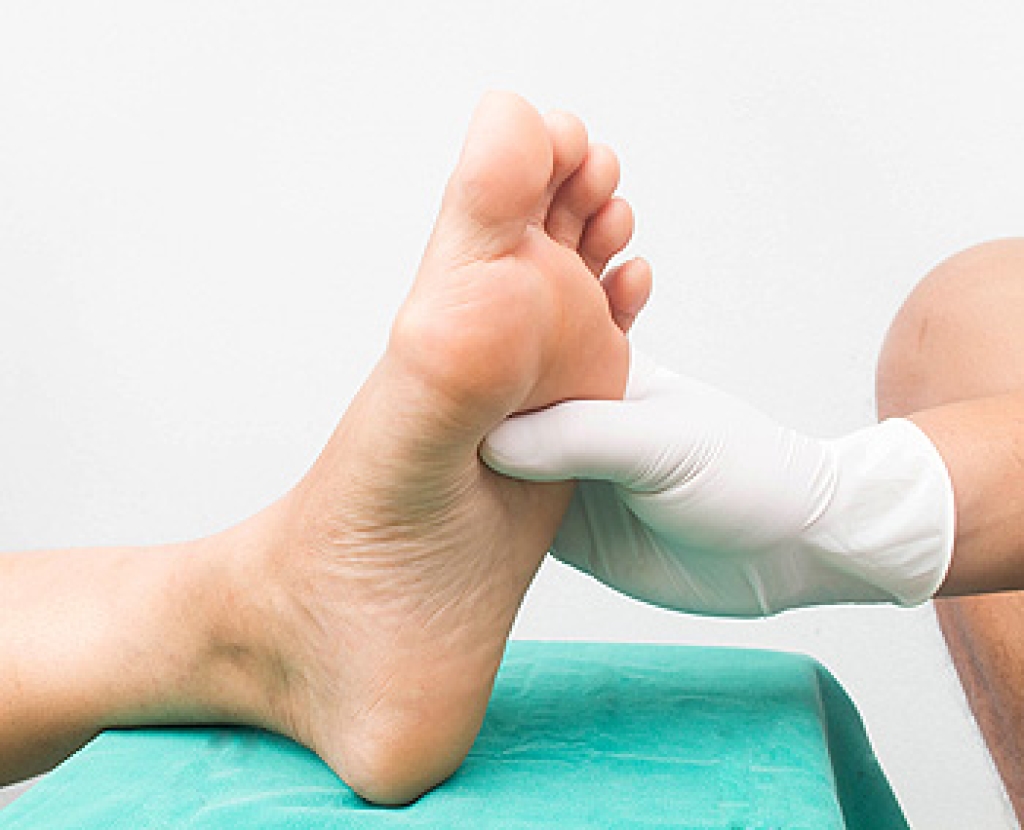
The majority of diabetic patients understand the importance of having their feet routinely checked by a chiropodist. Any cut, scrape, or wound that develops on a diabetic person's foot can become infected, which may lead to serious health complications. Diabetes happens as a result of having elevated blood sugar levels, and it is suggested to monitor these levels daily, in addition to altering daily eating habits, if necessary. Neuropathy is a common foot condition that can affect diabetic patients. This is the inability to feel existing cuts on the feet, and proper care can be overlooked if the soles of the feet are not checked daily. This can be done by using a mirror, or a family member or caregiver may be able to help accomplish this. It is suggested to refrain from walking barefoot and to wear shoes that fit correctly. If you have diabetes, it is strongly advised that you are under the care of a chiropodist who can help you to manage this condition.
Diabetes can cause serious problems in the lower limbs if proper preventive measures are not taken and diabetic wound care is not performed. If you would like to learn more about caring for diabetic feet, please consult with one of the specialists from Thornhill Foot Clinic. Our chiropodists can help you maintain the health of your lower limbs and your mobility.
Diabetes can lead to a host of foot and ankle complications, including:
- Poor circulation
- Peripheral neuropathy
- Diabetic foot wounds and ulcers
- Infection
- Corns and calluses
- Dry, cracked skin
- Nail disorders
- Hammertoes
- Bunions
- Charcot foot
If you have diabetes, you must be vigilant of any changes in your foot health. This is best done through daily foot inspections. Using a mirror to help you if necessary, look for any:
- Cuts, scrapes, sores, or wounds
- Bruising or discoloration
- Swelling
- Rash
- Foul odor
- Nail changes
- Hair loss
- Warmth and inflammation
- Deformities
- Lower limb pain
- Strange sensations (numbness, tingling, burning, pins, and needles)
If you have any questions please feel free to contact our office located in Vaughan, ON .