
Your feet are covered most of the day. If you're diabetic, periodic screening is important for good health. Numbness is often a sign of diabetic foot and can mask a sore or wound.
Your feet are covered most of the day. If you're diabetic, periodic screening is important for good health. Numbness is often a sign of diabetic foot and can mask a sore or wound.

Pain in the ball of the foot, also known as metatarsalgia, is a common condition that can make standing, walking, and running uncomfortable. It occurs when the tissues surrounding the metatarsal bones become inflamed or irritated, often due to excessive pressure, overuse, or injury. Causes include high impact activities, wearing poorly fitted shoes, foot deformities, and obesity. Risk factors include high arched feet, bunions, hammertoes, and repetitive stress from sports or prolonged standing. Symptoms include sharp or burning pain, swelling, numbness, and difficulty bearing weight. A chiropodist can evaluate the underlying cause, provide orthotics, suggest proper footwear, and recommend therapies to reduce pain and restore function. If you are experiencing persistent discomfort in the ball of your foot, it is suggested that you consult a chiropodist today for the treatment that is right for you.
Foot pain is a common problem treated by chiropodists. If you have foot pain, please consult with one of the specialists from Thornhill Foot Clinic. Our chiropodists can help you maintain the health of your lower limbs and your mobility.
When you are experiencing foot pain, it’s important to note the type of pain and its location, as this can help determine a diagnosis.
Pain in the top of the foot may be caused by:
Pain in the bottom of the foot may be caused by:
Pain on the side of the foot may be caused by:
Heel pain may be caused by:
Pain in the toes may be caused by:
These and many more conditions can be treated by a chiropodist. If you have any questions please feel free to contact our office located in Vaughan, ON .
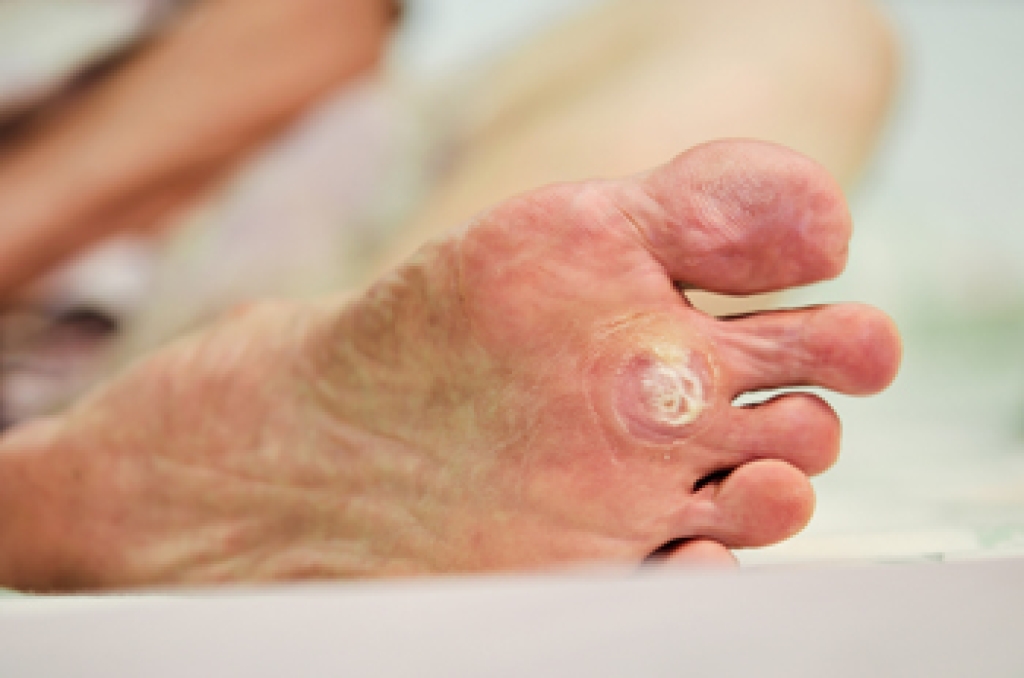
Plantar warts are growths that develop on the bottom of the foot and are caused by the human papillomavirus, or HPV. This virus enters through small breaks in the skin, often in warm, damp environments like around public pools or locker rooms. These warts are most frequently found on the heel or under the toes. They often have a thickened surface and may contain small black dots, which are clotted blood vessels. Plantar warts can cause pain when walking or standing, especially if they grow inward beneath the skin. A chiropodist can help by diagnosing the wart, often by gently trimming the area and checking for signs beneath the surface. Removal may involve applications of salicylic acid or cryotherapy using liquid nitrogen, depending on the depth and severity. A chiropodist can monitor progress and ensure proper care. If you have a plantar wart that will not go away, it is suggested that you make an appointment with a chiropodist for help.
Plantar warts can be uncomfortable or even painful. If you’re suffering from warts on your feet, please consult with one of the specialists from Thornhill Foot Clinic. Our chiropodists can help you maintain the health of your lower limbs and your mobility.
What Does a Plantar Wart Look Like?
Plantar warts are fleshy growths that generally have a rough, grainy texture. They may look and feel like a callus and are usually small and can grow individually or in clusters. Plantar warts may have small, black dots at their center that are actually tiny blood vessels. Warts interrupt the natural lines of your skin.
Treatment Options
Plantar warts can go away on their own, but this may take several months to years. If your plantar warts are bothering you, seeking medical treatment is suggested. If you have any questions please feel free to contact our office located in Vaughan, ON .
Connect With Us
