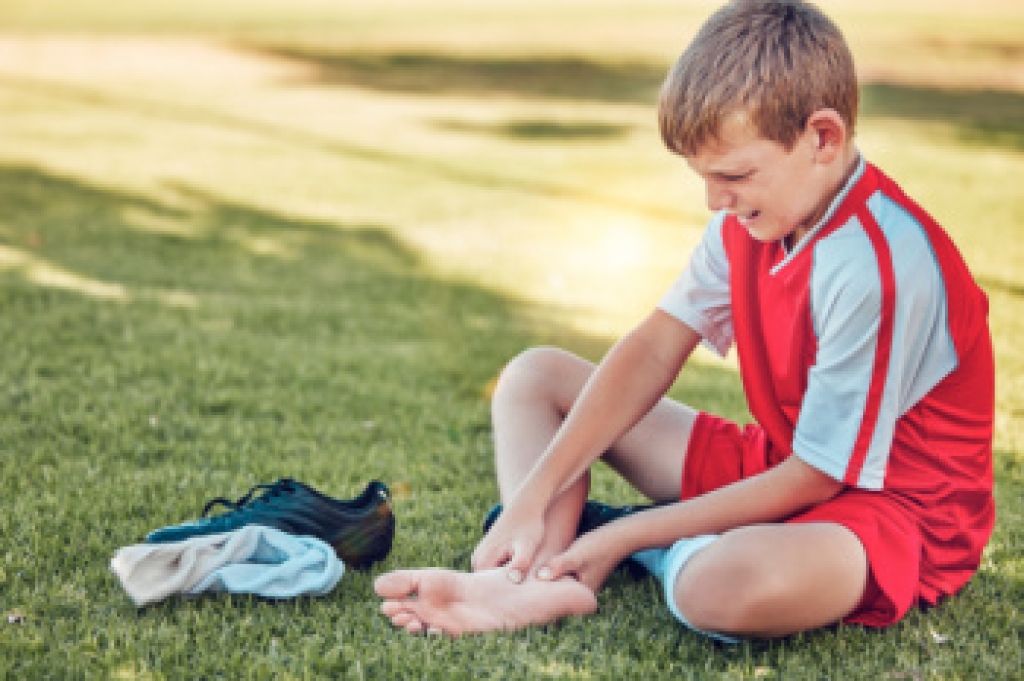
Sever’s disease is the most common cause of heel pain in growing children, especially those who participate in sporting activities or exercise regularly. It usually affects children between the ages of eight and 14. This condition develops when the growth plate at the back of the child’s heel becomes irritated where the Achilles tendon attaches. Rapid growth can tighten the tendon, and repeated running or jumping increases stress on the heel. Children feel pain, tenderness, or swelling. Discomfort can lead to limping after activity or stiffness when walking after rest. A chiropodist can examine the foot and assess walking patterns. They also can recommend supportive shoe choices, custom orthotics, or heel cushions to reduce strain. Care includes guidance about activity changes while the heel settles and monitoring recovery as your child grows. Early assessment helps rule out other causes of heel pain. If your active child has heel pain that may indicate Sever’s disease, it is suggested that you schedule an appointment with a chiropodist for diagnosis and effective relief and management tips.
Sever’s disease typically affects young children and teenagers. If your child complains of foot pain, please consult with one of the specialists from Thornhill Foot Clinic. Our chiropodists will assess your condition and provide you with quality foot and ankle treatment.
What Is Sever’s Disease?
Sever’s disease, also known as calcaneal apophysitis, is an inflammation of the growth plate in the heel bone. It is typically caused by overuse due to repetitive activities such as running, jumping, and playing certain sports. This condition most frequently affects children between the ages of 8 and 14.
Symptoms
Symptoms of Sever’s disease include:
- Pain in the back or bottom of the heel
- Pain when the sides of the heel are squeezed
- Limping or walking on tiptoes to avoid putting pressure on the heel
- Difficulty running, jumping, or participating in usual activities
- Fatigue
Diagnosis
Sever’s disease is diagnosed by taking a thorough medical history and performing a physical examination. Imaging studies, such as an X-ray, can help rule out other injuries like a fracture.
Treatment
Sever’s disease typically heals without any long-term complications. Treatment involves resting the affected foot by reducing typical activities, wearing orthotics to support the foot, immobilizing the affected foot, taking medications to reduce pain and inflammation, and stretching the foot.
If you have any questions please feel free to contact our office located in Vaughan, ON .
