The Role of a Chiropodist and Toenail Fungus

Toenail fungus is a common condition that causes the nail to become discolored, thickened, brittle, and sometimes emit an unpleasant odor. It may begin as a white or yellow spot under the tip of the toenail and progress deeper over time. Causes include exposure to warm and moist environments, walking barefoot in communal areas, or wearing tight shoes. Risk factors include poor foot hygiene, a weakened immune system, diabetes, or circulatory issues. A chiropodist can help by accurately diagnosing the infection, trimming and thinning affected nails, and providing antifungal treatments tailored to the severity of the condition. If you notice changes in your toenails, it is suggested that you consult a chiropodist early to stop the spread and restore nail health.

Toenail fungus can be uncomfortable and unsightly. If you have diabetes or a compromised immune system, it may also be dangerous. To learn more about treatment options, please consult with one of the specialists from Thornhill Foot Clinic. Our chiropodists will assess your condition and provide you with quality foot and ankle treatment. 

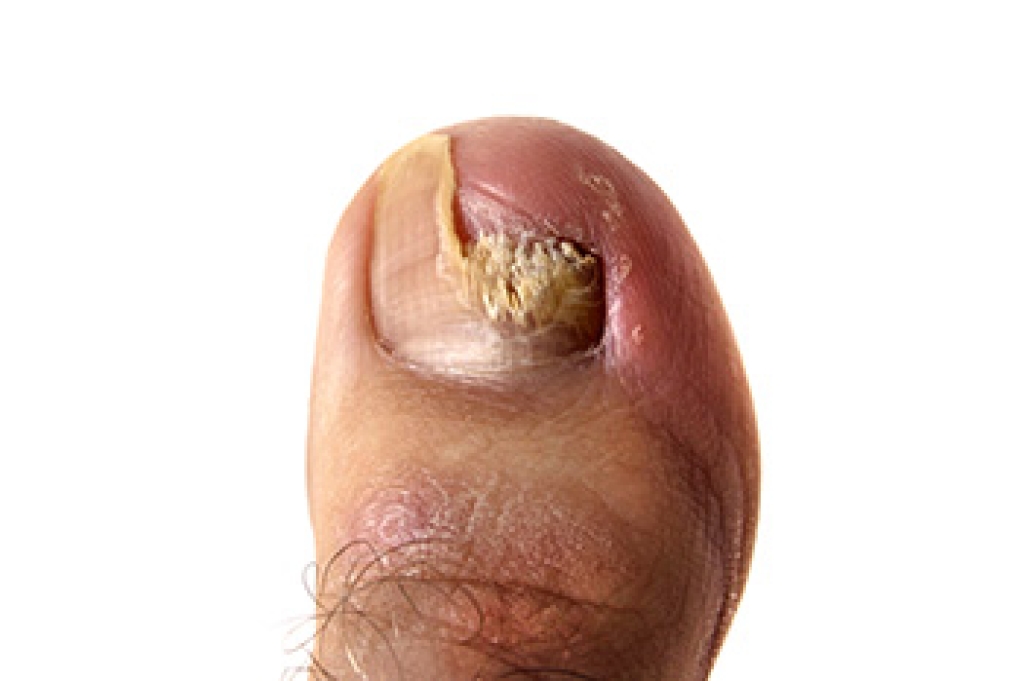
What Does Toenail Fungus Look Like? 

A fungal infection of the toenail may cause the affected nail to become thickened, brittle, crumbly, and yellowish or brown in color. Sometimes the toenail may separate from the nail bed, become deformed, emit a foul odor, or cause pain or discomfort. 

What Causes Toenail Fungus? 

Toenail fungus is caused by a fungus that infects the nail bed. The fungus lives and thrives in warm and moist environments and is also contagious. Athlete’s foot, which is a fungal infection of the skin, may spread to the nails and cause toenail fungus. 

What Treatments Are Available? 

Potential treatments for toenail fungus may include oral antifungal medications, topical antifungal medications, such as medicated nail polishes that are applied directly to the affected nail, and laser therapy. Sometimes, a combination of treatments is prescribed. 

If you have any questions please feel free to contact our office located in Vaughan, ON

Read more about Treating Toenail Fungus

Relieving the Pain of a Broken Toe

A broken toe occurs when one of the bones in the toe experiences a crack or complete break, often due to trauma such as stubbing the toe or dropping something heavy on the foot. This injury can cause immediate pain, swelling, bruising, and difficulty walking. Although some broken toes heal without surgery, proper care is essential to avoid long-term discomfort or complications. Relief begins with resting the foot and avoiding activities that add pressure. Elevating the foot can help reduce swelling, and wearing stiff-soled shoes may provide support during recovery. If you have fractured your toe, it is suggested that you promptly contact a chiropodist who can offer you appropriate treatment tips.

A broken toe typically occurs following either a sudden, traumatic injury, like dropping a heavy piece of furniture on the toe. The impact causes the bone to fracture and produces a variety of painful symptoms. If you suspect that you’ve broken your toe, please consult with one of the specialists from Thornhill Foot Clinic. Our chiropodists can help you maintain the health of your lower limbs and your mobility. 

Symptoms

  • Throbbing pain
  • Swelling
  • Bruising
  • Cracking sound at the time of injury
  • Difficulty bearing weight on the toe
  • Difficulty walking
  • Toe resting at an unnatural angle

Diagnosis

Your chiropodist can diagnose a broken toe through physical examination and imaging studies, such as X-rays. 

Treatment

The main goals of treatment are to ensure that the bone heals properly, as a toe fracture that doesn’t heal properly can lead to osteoarthritis. You will typically need to rest the affected toe. You may be prescribed a splint to immobilize the toe while it heals. Icing the affected toe and taking over-the-counter medications can help reduce pain. In cases of severe fractures, surgery may be necessary to reset the broken bones and make sure that they heal correctly.  

If you have any questions please feel free to contact our office located in Vaughan, ON

Read more about Broken Toe

What an Ingrown Toenail Looks and Feels Like

An ingrown toenail occurs when the edge of the nail grows into the surrounding skin, most often affecting the big toe. Early signs include redness, swelling, and tenderness along one or both sides of the nail. As the condition worsens, the area may become painful to touch, especially while walking or wearing shoes. In some cases, clear or yellow drainage may appear, and the skin can become warm or thickened. If infection sets in, additional signs such as pus, increased swelling, or a foul odor may develop. Ingrown toenails can result from improper nail trimming, wearing tight footwear, or trauma. People with diabetes or poor circulation are at a higher risk for complications. Recognizing the symptoms early and avoiding home remedies that worsen the condition can prevent serious outcomes. If you notice signs of an ingrown toenail, it is suggested you see a chiropodist for a diagnosis and appropriate treatment.

Ingrown toenails may require medical attention. If you have significant pain or notice signs of infection from an ingrown toenail, please consult with one of the specialists from Thornhill Foot Clinic. Our chiropodists will assess your condition and provide you with quality foot and ankle treatment. 

What Is an Ingrown Toenail? 

An ingrown toenail occurs when the edges of a toenail grow into the surrounding skin. The toenails of the big toe are usually affected, however, an ingrown toenail can happen on any toe. Sometimes, the area can become infected leading to potentially serious complications. The ingrown toenail may be caused by improper trimming of the toenail, wearing ill-fitting shoes, or injury to the nail.

Symptoms

The symptoms of an ingrown toenail include: 

  • Pain
  • Swelling
  • Redness
  • Warmth
  • Pus or drainage from the affected nail or a fever may indicate an infection of the area. 

Treatment

Treatment depends on the severity of the ingrown toenail. In less severe cases, home treatment may be adequate. Soaking the affected foot in warm water and gently lifting the nail from the skin with a piece of clean cotton can help. In more severe cases, you may need to use topical or oral antibiotics to treat an infection. Surgical removal of the ingrown toenail may be required if more conservative treatments fail. 

Ingrown toenails may be prevented by wearing well-fitted shoes and properly trimming the toenails. Toenails should be trimmed straight across and not too short when using nail clippers. 

If you have any questions please feel free to contact our office located in Vaughan, ON

Read more about Ingrown Toenails

Do Your Child's Feet Hurt?

Have your child's feet been examined lately? Healthy feet are happy feet. If your child is complaining of foot pain, it may be a sign of underlying problems.

Choosing the Right Shoes for Pickleball

When selecting shoes for pickleball, it is important to prioritize comfort, fit, and features that support the unique demands of the sport. Pickleball involves quick lateral movements, making lateral stability a key feature in shoe design. Non-marking rubber soles are ideal for hard courts, as they provide excellent traction while protecting the surface from scuffs. Additionally, look for shoes with ample cushioning and shock absorption to reduce the impact on your feet during sudden stops and rapid direction changes. Breathable materials and a snug fit help ensure comfort and prevent issues such as blisters or foot fatigue. While durability is essential, choosing shoes that align with your playing style can enhance performance and minimize the risk of overuse injuries. A chiropodist can evaluate your foot structure, gait, and needs to recommend footwear that promotes proper alignment and reduces strain during play. If your feet hurt after playing pickleball, it is suggested that you schedule an appointment with a chiropodist for advice.

Injuries to the foot and ankle are very common among athletes. If you have experienced an injury, please consult with one of the specialists from Thornhill Foot Clinic. Our chiropodists will assess your condition and provide you with quality foot and ankle treatment. 

Common Injuries Among Athletes: 

  • Achilles tendon injuries
  • Ankle strains or sprains
  • Plantar fasciitis
  • Fractures
  • Turf toe
  • Joint dislocations
  • Sever’s disease
  • Morton’s neuroma

Symptoms

Symptoms will depend on the cause and severity of the injury. Common symptoms for a foot or ankle injury include pain, swelling, tenderness, bruising, a reduced range of motion, and difficulty bearing weight or walking on the affected foot or ankle. 

Diagnosis

Sports injuries are typically diagnosed after carefully examining the affected foot or ankle. This includes moving the injured area to test its range of motion. Medical history will need to be provided, as well as detailed information about how the injury occurred. Imaging studies, such as X-rays or MRIs, may be used to confirm or rule out certain diagnoses. 

Treatment

Just like symptoms, treatment will depend on the type of injury and its severity. Initial treatment for many sports injuries is aimed at controlling inflammation and promoting the healing response. The acronym R.I.C.E is a helpful guide to implement for most acute injuries. This method involves resting, icing, compressing, and elevating the affected foot or ankle. In addition, anti-inflammatory medications may be administered and orthotic devices may be prescribed. For more severe injuries, surgery may be required. Lastly, rehabilitation or physical therapy may be needed to gain full functionality in the afflicted area.

If you have any questions please feel free to contact our office located in Vaughan, ON

Read more about Sports Related Foot and Ankle Injuries

Connect With Us